
At Operation HOPE, we specialize in Equine-Assisted Psychotherapy (EAP), a transformative approach that helps individuals heal from trauma by harnessing the unique connection between humans and horses. Trauma, whether stemming from a single distressing event or prolonged adversity, can leave lasting emotional and psychological imprints. While the road to recovery may seem daunting, EAP provides a safe and supportive environment where individuals can work through their trauma in an experiential, non-threatening manner. In this blog, we explore how Equine-Assisted Psychotherapy serves as a powerful catalyst for trauma healing and why it’s becoming an essential tool in modern therapeutic practices.
Understanding Trauma: A Complex Journey
Trauma is deeply personal and multifaceted, affecting individuals in different ways. While the term “trauma” is often used in general, its impact on an individual’s mental, emotional, and physical well-being is nuanced and unique. Trauma can result from a single distressing event, such as a car accident, physical assault, or sudden loss of a loved one. Alternatively, it can stem from prolonged adversity, including childhood abuse, neglect, or exposure to chronic stressors.
Healing requires trust, safety, and self-exploration—all of which are nurtured through Equine-Assisted Psychotherapy. Trauma survivors may experience a range of emotional responses, including fear, anger, shame, and guilt, as well as physical symptoms like insomnia, fatigue, and heightened arousal. Over time, these symptoms can manifest into long-term mental health conditions, such as post-traumatic stress disorder (PTSD), anxiety, depression, and substance abuse disorders.
Rebuilding a sense of safety, trust, and emotional regulation is fundamental to trauma recovery. For many survivors, finding traditional therapeutic methods insufficient, or even overwhelming, makes alternative approaches such as Equine-Assisted Psychotherapy (EAP) highly effective. The outdoor, experiential nature of EAP allows for healing to take place in a non-judgmental and holistic environment. At Operation HOPE, we’ve witnessed firsthand how EAP helps individuals take meaningful steps toward healing in a way that traditional talk therapies alone cannot.
The Power of the Horse-Human Connection
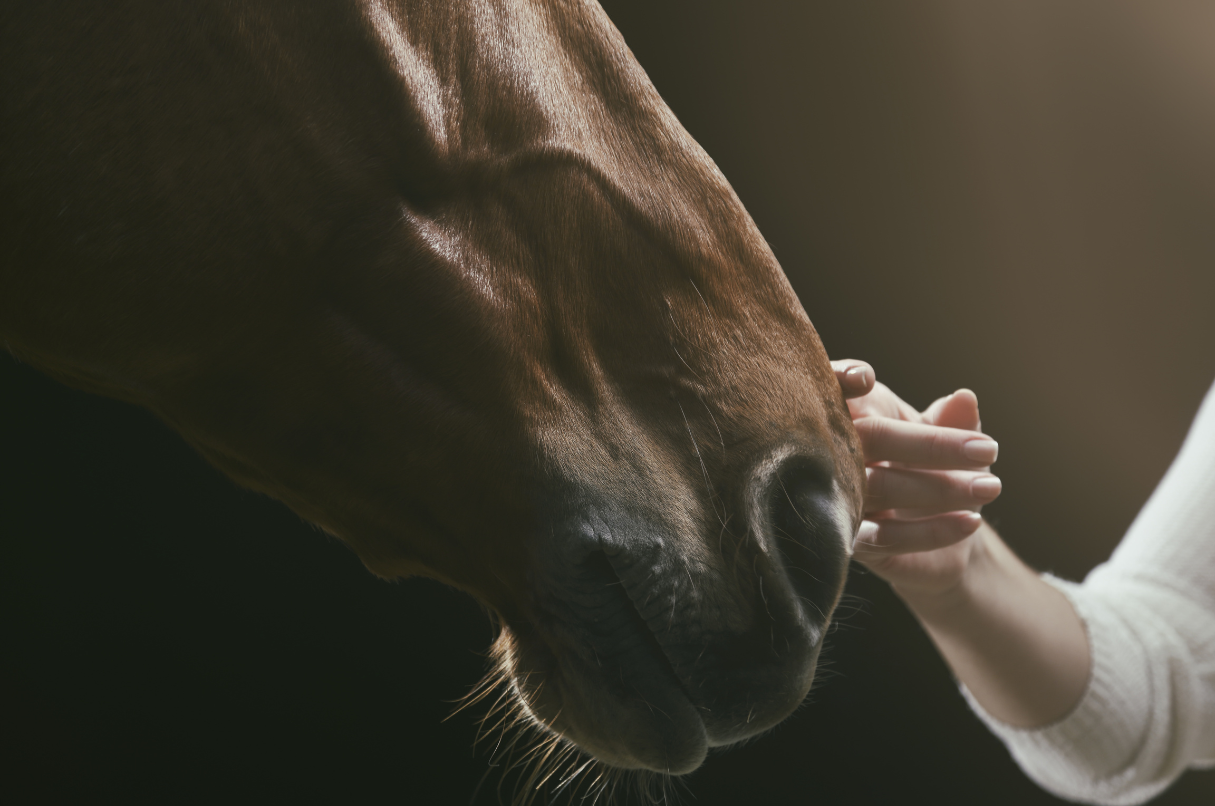
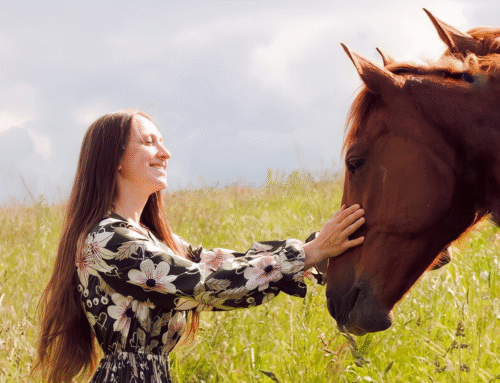
Horses possess an extraordinary sensitivity to human emotions, making them exceptional partners in trauma recovery. As prey animals, they are highly attuned to nonverbal cues and can detect even the subtlest emotional shifts. They can detect changes in body language, facial expressions, and tone of voice, allowing them to respond authentically to the emotional states of the people around them. This natural sensitivity makes horses ideal partners in Equine-Assisted Psychotherapy. This ability allows them to provide immediate, honest feedback, creating a mirror for individuals to process their emotions in a safe, non-judgmental space. By interacting with horses, individuals can process their emotions in real time in a safe, non-verbal space that promotes self-awareness and emotional healing.
For trauma survivors, engaging in this unique bond offers a non-judgmental and supportive environment to explore feelings, re-establish trust, and practice emotional regulation. Horses, by their nature, do not judge; they provide immediate, empathetic responses to the behaviors and emotions of the human participants, which often acts as a mirror for healing.
How Equine-Assisted Psychotherapy Facilitates Healing
At Operation HOPE, our trained mental health professionals incorporate ground-based interactions with horses into therapy sessions. These structured exercises promote emotional regulation, self-awareness, and interpersonal growth. Key components of EAP for trauma recovery include:
1. Establishing Trust and Safety
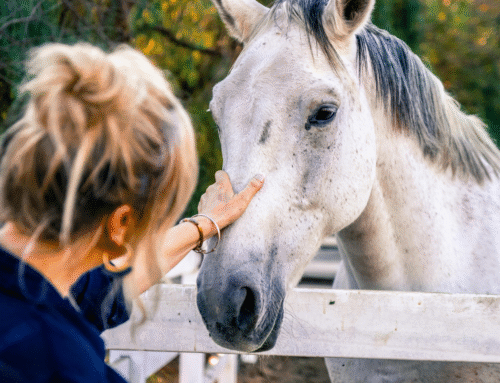
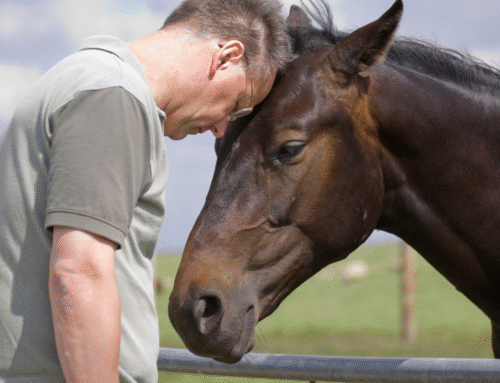
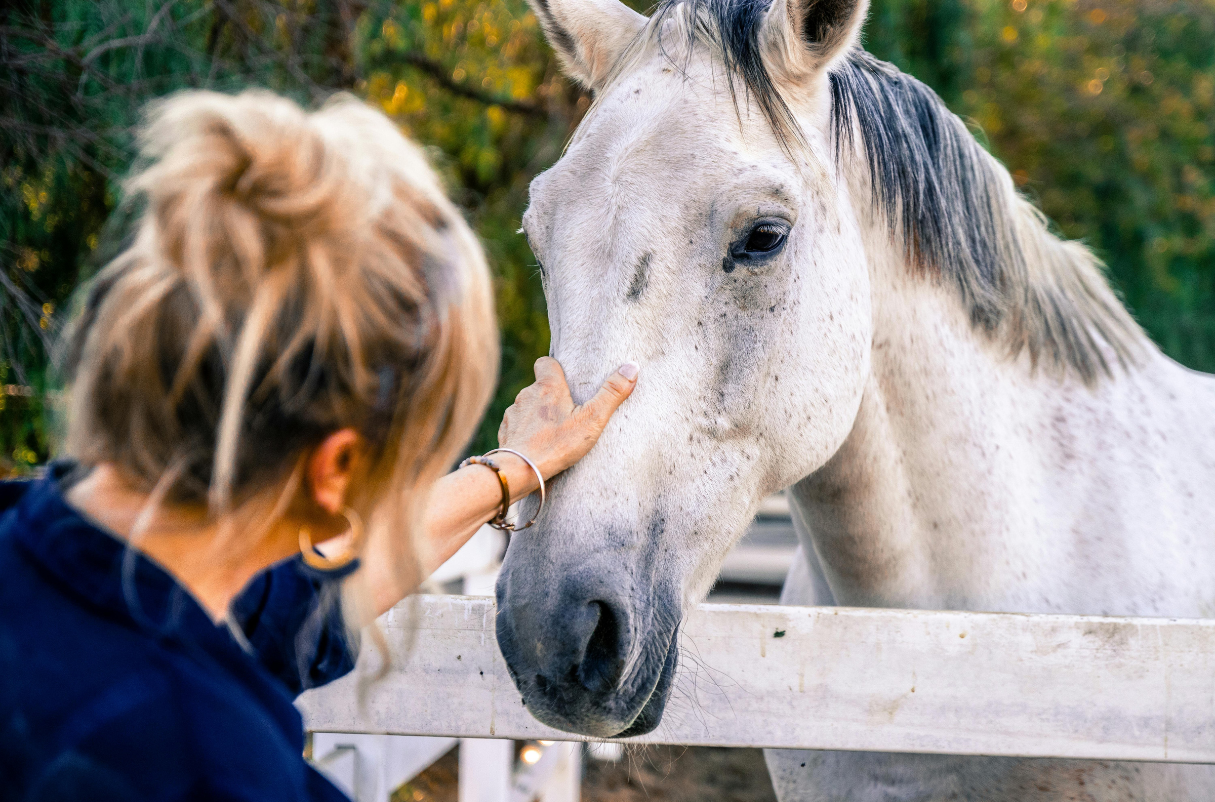
Rebuilding trust is a fundamental step in trauma healing. For many survivors, past experiences with people or institutions may have left them feeling unsafe, distrustful, and vulnerable. Horses, by nature, offer a non-threatening, neutral presence that provides a safe space for trauma survivors to begin rebuilding their trust. Horses have a natural ability to respond calmly to individuals, which can be deeply reassuring for someone recovering from trauma. This gentle relationship provides participants with an opportunity to experience a secure bond, one that they may have lost during their traumatic experiences.Developing a relationship with a horse fosters mutual respect and emotional security, essential for trauma survivors.
Building trust with a horse, whether through simple activities like grooming or more complex interactions like leading or navigating an obstacle course, can translate into renewed feelings of safety in relationships with others. This experience can be empowering for survivors, allowing them to rebuild their sense of self-worth and reconnect with their sense of security.
2. Experiential Learning for Empowerment
** remove if repeated ** EAP uses hands-on activities such as grooming, leading, and obstacle navigation to help individuals develop confidence and control over their environment. These activities provide powerful metaphors for overcoming challenges in daily life and empower individuals to redefine their personal narrative.
One of the most profound aspects of Equine-Assisted Psychotherapy is its reliance on hands-on, experiential learning. Activities such as grooming, leading, and obstacle navigation can help individuals develop confidence and control over their environment. These activities are designed to help individuals develop confidence, control, and empowerment. Each task—whether it’s brushing a horse, leading them through an obstacle, or creating a relationship-based task—represents a metaphor for overcoming personal challenges.
For many trauma survivors, these activities allow them to gain control over a physical, external process that they may not feel they have in other areas of their lives. By overcoming challenges with horses, individuals begin to see their own resilience reflected in their progress with the horse. For example, completing a challenging task, like leading a horse through an obstacle course, can offer a powerful sense of accomplishment and self-empowerment—qualities that can be translated to other aspects of their lives, including daily routines, social interactions, and coping strategies.
3. Emotional Reflection and Awareness
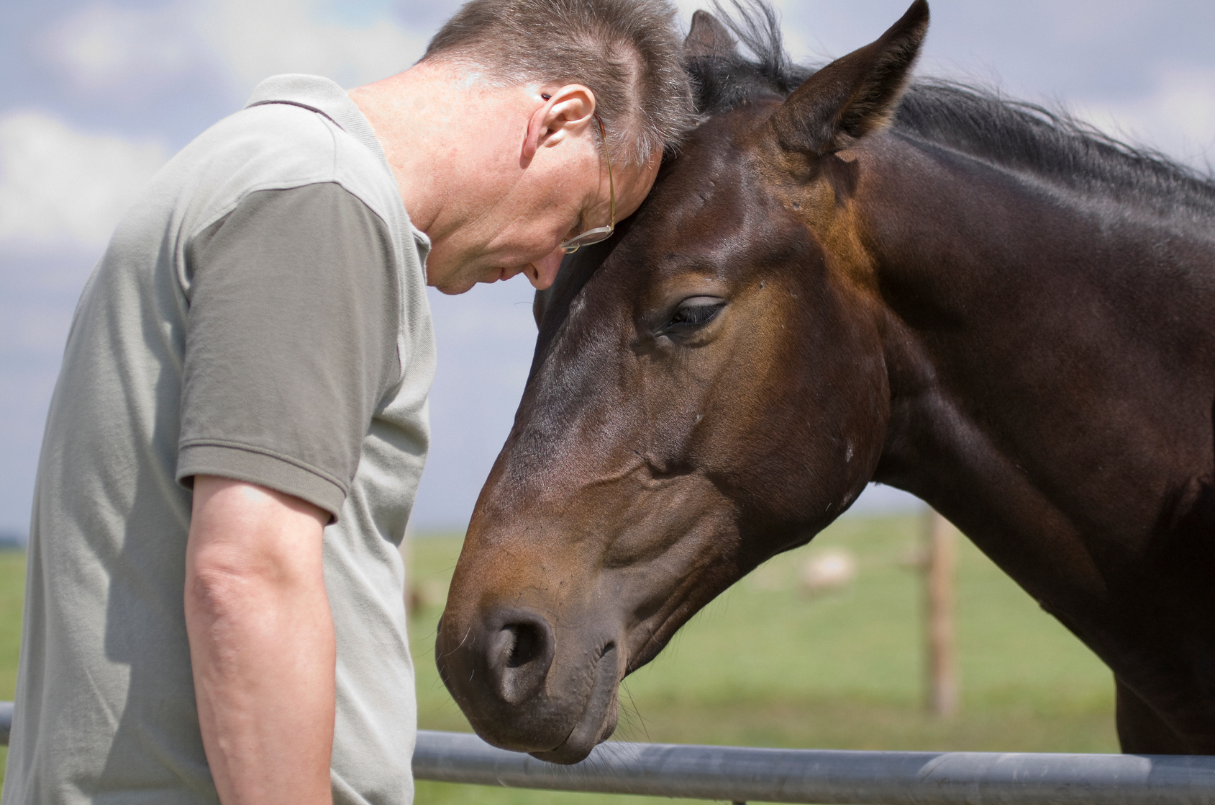
Horses serve as mirrors to human emotions, responding to feelings in an authentic and immediate way. Their feedback helps individuals identify and process emotions they may have suppressed or struggled to express. If a participant feels anxious, the horse may become fidgety or move away; if they feel calm, the horse may become more relaxed and engaged.This non-verbal communication enhances emotional awareness and self-discovery. Through these mirrored responses, participants can engage in deep emotional reflection without having to verbalize their feelings immediately. Often, trauma survivors may struggle to express themselves verbally, especially when the emotions are deeply ingrained or painful. The non-verbal communication between horse and human allows participants to explore their emotions intuitively, gradually gaining clarity on the emotions they may have suppressed or been unable to articulate.
4. Regulating Emotional Responses
Trauma often disrupts emotional regulation, leading to heightened anxiety, fear, or numbness. One of the key goals of Equine-Assisted Psychotherapy is to regulate emotional responses and help individuals reconnect with their emotions in a healthy, controlled way.Interacting with horses in a calm, structured environment encourages individuals to develop healthy coping mechanisms, practice mindfulness, and regain emotional balance.For example, when participants are navigating an obstacle with their horse, they must remain calm and focused in order to move through the challenge effectively. This requires mindfulness, emotional control, and the ability to remain present—skills that are often disrupted in trauma survivors. By practicing emotional regulation in the presence of a horse, individuals gain the tools to address emotional triggers and self-soothe during moments of distress.
5. Cultivating Empathy and Resilience
Horses are naturally empathetic animals.By caring for and working alongside horses, individuals cultivate empathy, patience, and resilience. These essential life skills translate into everyday interactions, helping trauma survivors build stronger relationships and healthier boundaries in their personal lives. This focus on resilience is especially important for trauma survivors. Developing resilience involves not only understanding personal challenges but also learning how to bounce back and adapt. Horses, as resilient animals themselves, serve as a model for building this strength.
Why Choose Equine-Assisted Psychotherapy at Operation HOPE?
At Operation HOPE, we offer personalized EAP sessions tailored to each individual’s unique healing journey. Our approach combines licensed mental health professionals trained in EAP with ground-based equine activities designed specifically for trauma recovery. We offer:
- Licensed mental health professionals trained in EAP
- Ground-based equine activities designed for trauma recovery
- A safe, supportive, and non-judgmental therapeutic environment
- Nature-based healing experiences in Monmouth County parks
We understand that healing from trauma is not a linear journey, and the process of recovery often requires multiple approaches. EAP provides a unique opportunity to access deep emotional work through experiential, hands-on activities, while also benefiting from the support of a licensed therapist who can guide and reflect on the process.
Begin Your Healing Journey Today
If you’re struggling with trauma and seeking a unique, experiential approach to therapy, Equine-Assisted Psychotherapy at Operation HOPE may be the path to healing you’ve been searching for.
Contact us today to learn more about how EAP can support your recovery and emotional well-being.
#EquineTherapy #TraumaRecovery #HealingWithHorses #MentalHealth #OperationHOPE #EquineAssistedPsychotherapy #Mindfulness #EmotionalHealing #Resilience #TherapeuticHorses



Leave A Comment