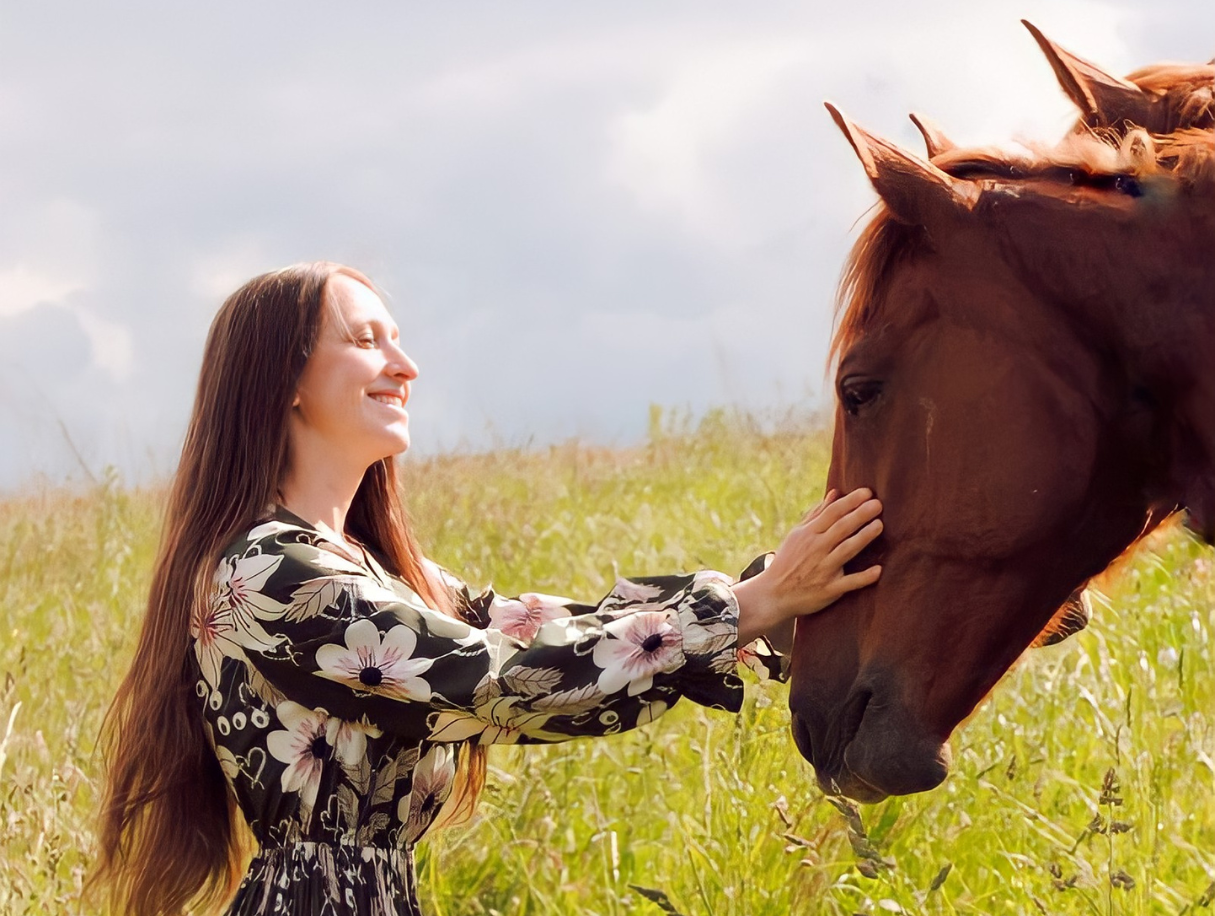
At Operation HOPE, we specialize in Equine-Assisted Psychotherapy (EAP)—a powerful approach that integrates horses into mental health treatment. However, many people confuse EAP with Therapeutic Riding (TR). While both utilize the healing presence of horses, they serve distinct purposes and cater to different therapeutic goals. In this blog, we’ll clarify the key differences between EAP and TR, helping you understand which approach best fits your needs.
The Core Purpose: Emotional Healing vs. Physical Benefits
Equine-Assisted Psychotherapy (EAP):
EAP is a mental health therapy that incorporates horses as partners in psychotherapy sessions. The primary focus is on addressing emotional, psychological, and behavioral challenges. Under the guidance of trained mental health professionals, individuals engage in ground-based exercises with horses that promote:
- Emotional regulation
- Self-awareness
- Interpersonal growth
- Processing trauma, anxiety, or depression
EAP is not about horseback riding—it’s about learning from the horse-human connection to foster personal insight and emotional healing.
Therapeutic Riding (TR):
In contrast, Therapeutic Riding is primarily designed to improve physical and motor skills. Conducted by certified riding instructors, TR focuses on:
- Enhancing balance and coordination
- Strengthening muscles and flexibility
- Improving cognitive abilities
This approach is commonly used for individuals with special needs, providing them with physical and emotional benefits through riding sessions.
Focus on the Mind vs. the Body
Equine-Assisted Psychotherapy (EAP):
EAP sessions delve into emotional and psychological well-being. Horses serve as mirrors, reflecting an individual’s emotions and responses. Under the guidance of a licensed therapist, clients explore their thoughts, behaviors, and relationship patterns through interactions with the horse, leading to meaningful personal growth.
Therapeutic Riding (TR):
TR primarily addresses physical challenges. The natural movement of the horse simulates the motion of walking, helping riders develop core strength, balance, and coordination. While there may be emotional benefits, the primary focus is on physical development rather than psychological therapy.
Hands-On vs. Riding-Based Approach
Equine-Assisted Psychotherapy (EAP):
In EAP, sessions typically involve groundwork with the horse, such as:
- Grooming
- Leading
- Completing obstacle courses
These interactions help clients recognize and shift behaviors, build confidence, and develop communication skills. The horse becomes a metaphor for personal challenges and triumphs.
Therapeutic Riding (TR):
TR focuses on riding the horse, with the instructor guiding the session. Riders take a more passive role in terms of decision-making, as the emphasis is on the physical act of riding rather than personal reflection and emotional insight.
Certification and Training: Mental Health vs. Riding Instruction
Equine-Assisted Psychotherapy (EAP):
EAP is led by licensed mental health professionals who have undergone specialized training in equine-assisted therapy. The most recognized certification comes from EAGALA (Equine Assisted Growth and Learning Association), ensuring therapists are well-versed in both psychotherapy and equine behavior.
Therapeutic Riding (TR):
TR is facilitated by Certified Therapeutic Riding Instructors (CTRIs) through organizations like PATH Intl. (Professional Association of Therapeutic Horsemanship International). These instructors are trained in horseback riding instruction, adaptive techniques, and horse care but do not provide psychotherapy.
The Psychological Benefits of Equine-Assisted Psychotherapy
Horses possess a unique ability to sense human emotions and respond to them in an honest and nonjudgmental way. This makes EAP particularly effective for individuals dealing with trauma, anxiety, and depression. The experiential nature of EAP allows clients to:
- Develop emotional resilience
- Improve self-esteem
- Practice healthy boundary setting
- Enhance problem-solving skills
- Strengthen relationships through trust and empathy
The Physical Benefits of Therapeutic Riding
Therapeutic Riding provides essential physical benefits that support the well-being of riders with disabilities or motor function impairments. Some of the key advantages include:
- Improved posture and muscle tone
- Increased range of motion and flexibility
- Strengthened core stability
- Enhanced sensory integration
- Better spatial awareness and motor planning
Real-World Applications of Each Approach
Who Benefits from Equine-Assisted Psychotherapy?
EAP is suitable for individuals experiencing emotional or psychological struggles, including:
- PTSD and trauma survivors
- Individuals with anxiety or depression
- Those struggling with relationship challenges
- People facing major life transitions
- At-risk youth and individuals in recovery programs
Who Benefits from Therapeutic Riding?
TR is commonly used for individuals with physical, cognitive, or developmental challenges, such as:
- Cerebral palsy
- Down syndrome
- Autism spectrum disorder
- Traumatic brain injury (TBI)
- Multiple sclerosis or other neuromuscular disorders
Understanding the Setting and Structure
Equine-Assisted Psychotherapy (EAP)
EAP sessions often take place in an enclosed arena or outdoor setting, depending on the client’s comfort level. Sessions typically last between 45-60 minutes and involve structured activities that promote emotional insight and personal growth. The presence of a mental health professional ensures that the experience remains therapeutic and goal-oriented.
Therapeutic Riding (TR)
TR sessions are conducted in a controlled riding environment, such as an indoor or outdoor riding arena. These sessions involve adaptive equipment and trained volunteers who assist riders with positioning, stability, and guidance. Depending on the rider’s needs, sessions may range from 30-60 minutes and involve progressive skill-building in riding techniques.
Choosing the Right Path for You
Both Equine-Assisted Psychotherapy (EAP) and Therapeutic Riding (TR) offer valuable benefits, but they serve different functions.
At Operation HOPE, we specialize in Equine-Assisted Psychotherapy (EAP), providing mental health support through the powerful connection between horses and humans. Our sessions help individuals struggling with anxiety, trauma, depression, and relationship challenges by using experiential therapy techniques in an outdoor, nature-based setting.
If you’re looking for mental health therapy that incorporates horses, contact us today to learn more about how EAP can help you on your healing journey.
Click here to get in touch with us!
#EquineTherapy #EquineAssistedPsychotherapy #MentalHealth #HealingWithHorses #OperationHOPE #TherapeuticRiding #EAGALA #PATHIntl #Mindfulness #EmotionalHealing




Leave A Comment