
As mental health professionals, we are constantly seeking innovative ways to enhance our practice and provide the best care possible for our clients. One powerful, yet often overlooked, modality is equine-assisted psychotherapy. This approach integrates the power of animals, specifically horses, with traditional psychotherapy, creating an immersive and highly effective therapeutic experience.At Operation HOPE, we offer comprehensive equine-assisted psychotherapy training for therapists looking to expand their skill set and incorporate this transformative approach into their work. In this blog, we’ll discuss the importance of learning new therapeutic modalities, how clients can benefit from integrating equine therapy into their treatment plan, and why therapists should consider adding equine-assisted therapy to their toolkit.
The Importance of Learning New Modalities for Therapists
As the landscape of mental health care continues to evolve, it’s essential for therapists to stay up-to-date with the latest and most effective therapeutic methods. Therapists who stay informed about emerging modalities are better equipped to meet the diverse needs of their clients and adapt to the changing landscape of mental health care. Different clients respond to different approaches, and by diversifying your therapeutic techniques, you ensure that you can tailor your care to meet the unique needs of each individual.Incorporating newer modalities into your practice can also be beneficial for therapists themselves, as it fosters growth, encourages innovation, and improves job satisfaction by offering new ways to engage clients.
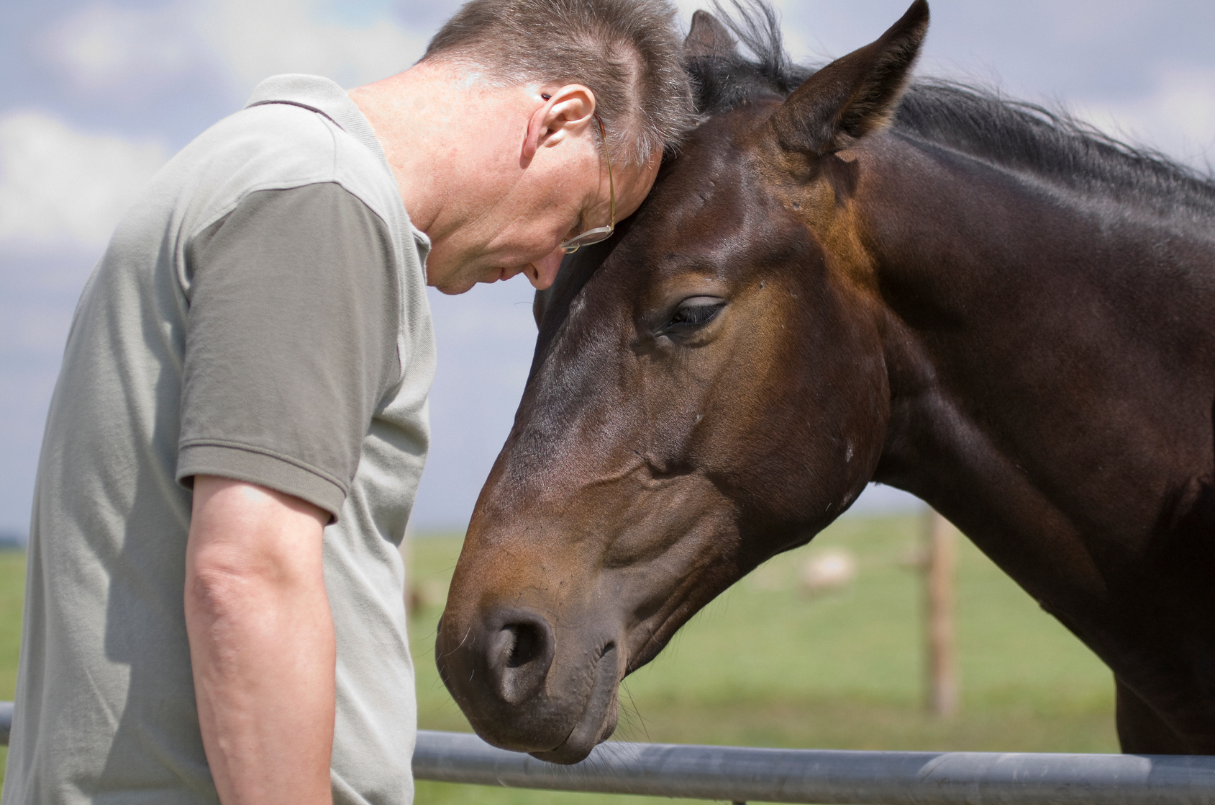
Learning new modalities, like equine-assisted psychotherapy, equips therapists with the tools necessary to support clients who may not respond to traditional talk therapy or who need a more hands-on, experiential form of treatment. For example, equine-assisted therapy can be particularly effective for clients who find it difficult to verbalize their emotions or those who feel overwhelmed by the traditional office setting. Equine therapy can be especially effective for clients dealing with trauma, anxiety, depression, and emotional regulation challenges. By understanding the unique role that horses play in the therapeutic process, therapists can better meet their clients where they are and guide them toward healing in new and profound ways. Working with horses can provide clients with a safe, non-threatening environment where they can express themselves without fear of judgment or pressure.
By understanding the unique role that horses play in the therapeutic process, therapists can better meet their clients where they are and guide them toward healing in new and profound ways. Horses have a special ability to reflect the emotional state of a person, allowing clients to receive immediate feedback about their emotions, which can be incredibly beneficial in understanding their own behaviors and reactions.
Integrating Equine Therapy into Clients’ Treatment Plans
At Operation HOPE, we offer an integrated approach to therapy, allowing clients to combine traditional psychotherapy with equine-assisted therapy as part of their overall treatment plan. This holistic, dual approach addresses emotional, psychological, and even physical needs through both traditional talk therapy and the interactive nature of working with horses.This dual approach can enhance healing by addressing emotional, psychological, and physical needs through both traditional talk therapy and the experiential, interactive nature of working with horses.
For example, clients may begin their treatment in a traditional therapy setting where they can express their thoughts and feelings.In traditional talk therapy, clients may share their personal stories, thoughts, and emotional struggles, which can provide the groundwork for deeper emotional healing. Then, by integrating equine therapy into their plan, they can experience healing in a different way—through the non-verbal, intuitive connection with horses. Equine therapy offers a unique opportunity for clients to work through their emotions in a less structured, more spontaneous setting.
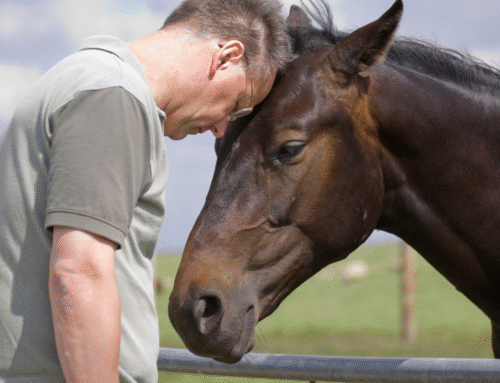
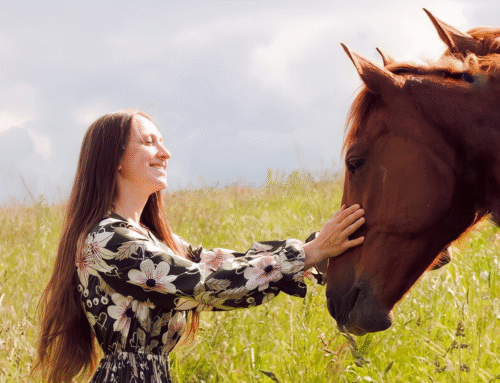
The horse’s presence and energy provide an immediate, powerful reflection of the client’s emotional state, facilitating breakthroughs and fostering personal growth. Because horses are incredibly sensitive to human emotions, they serve as perfect mirrors for the feelings and attitudes clients may not be fully aware of. The horse’s behavior often provides immediate feedback, which can help clients gain deeper self-awareness. This combination of modalities allows clients to address deep-seated emotional issues in ways that go beyond words, making for a richer, more holistic healing experience. For example, a horse’s calm and steady presence can help clients who are experiencing anxiety feel grounded, while more energetic horses can help clients who are depressed or disconnected from their emotions re-engage with their feelings.
Equine-Assisted Psychotherapy Training for Therapists
If you’re a therapist looking to add equine-assisted therapy to your professional toolbox, our training at the rescue farm is the perfect opportunity to gain an introduction to this unique modality. Equine-assisted psychotherapy is not a one-size-fits-all approach; rather, it’s a customizable therapy model that can be adapted to fit the specific needs of each client. Our comprehensive training program provides therapists with the knowledge and skills they need to incorporate equine-assisted psychotherapy into their practice.
Through hands-on, experiential learning at our rescue farm, therapists gain a deeper understanding of how horses can facilitate emotional breakthroughs and help clients develop self-awareness, empathy, and emotional regulation. Therapists will not only learn how to handle and work with horses but also understand how to use the horses as therapeutic tools to deepen their clients’ emotional experiences.The program covers everything from the theoretical underpinnings of equine-assisted therapy to practical exercises and techniques you can use with your clients. Our curriculum blends theory and practice to provide a comprehensive learning experience that ensures therapists feel confident and competent in their new skills.
We provide guidance on how to safely integrate horses into therapeutic settings and offer ongoing support as you begin to apply these techniques in your own practice. Safety is a top priority, and our program provides specific strategies for working with horses in a way that ensures both the client’s and the horse’s well-being.Whether you’re looking to expand your therapeutic modalities or are completely new to equine therapy, this training is an excellent way to get started. The training provides valuable insights into how equine therapy works, who it can benefit, and how to apply it to support your clients’ unique needs. This is also an ideal opportunity for those who are already familiar with animal-assisted therapy but want to learn more about the unique benefits of horses in the therapeutic process.
Why Choose Our Equine-Assisted Psychotherapy Training?
- Hands-On Experience: Training takes place at our rescue farm, giving you the opportunity to work directly with horses and gain real-world experience. Hands-on experience is an essential aspect of our training because it allows therapists to practice techniques in real-world scenarios before applying them to clients.
- Comprehensive Curriculum: Learn the theory, techniques, and best practices for integrating equine therapy into your therapeutic practice.Our curriculum covers everything from the history of animal-assisted therapy to modern-day techniques used in equine-assisted psychotherapy. We ensure that you leave with a well-rounded understanding of this powerful modality.
- Expand Your Practice: Offer clients a wider range of therapeutic options that support healing, growth, and self-discovery. Adding equine-assisted therapy to your practice expands your therapeutic toolkit, allowing you to reach clients who may not benefit from traditional talk therapy alone. It’s a transformative modality that can unlock new ways of addressing complex emotional issues, such as trauma or grief.
- Holistic Healing: Help clients develop emotional resilience, self-regulation, and self-awareness through the unique interaction between humans and horses. Equine-assisted therapy is a deeply holistic practice that encourages clients to connect with their emotions and physical sensations in ways that other therapeutic approaches cannot.
Take the Next Step in Your Therapeutic Journey
At Operation HOPE, we are committed to helping therapists expand their skill set and provide more comprehensive care for their clients. By integrating equine-assisted psychotherapy into your practice, you can enhance your ability to support clients in overcoming challenges that may otherwise seem insurmountable.Our equine-assisted psychotherapy training is a valuable opportunity to incorporate this unique, transformative approach into your practice. Whether you are looking to support clients through trauma, grief, emotional regulation issues, or simply to introduce them to a new, exciting therapeutic approach, equine therapy can be the key to unlocking deeper levels of healing.
If you’re ready to diversify your therapeutic modalities and take your practice to the next level, contact us today to sign up for our upcoming training session at our rescue farm.Don’t miss the opportunity to deepen your therapeutic practice and offer your clients a more dynamic, engaging, and powerful treatment option. Let equine-assisted therapy be the next step in your therapeutic journey.
#EquineAssistedTherapy #TherapistTraining #EquineTherapy #AnimalAssistedTherapy #MentalHealthCare #TherapistsOfInstagram #TraumaHealing #HolisticTherapy #EquineTherapyTraining #MentalHealthMatters #TherapistDevelopment
The Power of Therapy Dogs: Enhancing Mental Health Sessions with Canine Companions
In recent years, therapy dogs have become an increasingly popular and effective part of mental health treatment. These specially trained animals provide comfort, support, and a unique approach to therapy, making them an invaluable addition to mental health care. With advancements in animal-assisted therapy, therapy dogs have shown remarkable results in various clinical settings, promoting not only emotional well-being but also improving physical health outcomes for patients.In this blog, we’ll explore what therapy dogs are, the benefits they bring to mental health sessions, and how we incorporate them into our therapeutic services.
What is a Therapy Dog?
A therapy dog is a dog trained to provide comfort, emotional support, and companionship to individuals in various therapeutic settings. Unlike service dogs, which are trained to assist individuals with specific disabilities, therapy dogs are primarily used to improve the emotional well-being of people through their presence and interactions. While service dogs are typically tasked with specific duties, such as guiding individuals with visual impairments or providing support to those with seizure disorders, therapy dogs are dedicated to offering a more general form of emotional care.They are typically trained to be calm, gentle, and non-reactive, making them ideal companions for those in need of emotional support.
In therapy sessions, a therapy dog is present to help patients feel more relaxed and comfortable, creating a supportive and nurturing environment that promotes healing. This integration of animals into therapeutic sessions helps foster a more holistic approach to treatment, blending the emotional benefits of animal companionship with traditional therapeutic practices.These dogs can help individuals with a wide range of mental health conditions, from anxiety and depression to PTSD and trauma.
The Benefits of Having a Therapy Dog in Mental Health Sessions
Incorporating a therapy dog into mental health therapy sessions offers numerous benefits, creating a more dynamic and holistic approach to healing. Therapy dogs act not only as emotional support animals but as facilitators of therapy, promoting better engagement, trust-building, and emotional expression. These benefits include:
1. Reduction in Anxiety and Stress
The presence of a therapy dog can have an immediate calming effect on individuals experiencing anxiety, stress, or overwhelming emotions.Numerous studies have shown that simply petting a dog can reduce anxiety levels and induce relaxation in patients dealing with a variety of psychological issues. Petting or simply being near a dog can help lower heart rates, reduce cortisol levels (the stress hormone), and promote a sense of peace and relaxation. This makes it easier for clients to open up during therapy sessions and engage in the therapeutic process.
In clinical settings, this calming effect is often visible almost immediately, as the dog helps patients feel at ease in what might otherwise be a stressful or intimidating environment. For individuals who experience social anxiety or panic attacks, therapy dogs can be a bridge to feeling more grounded and able to participate in their treatment.
2. Increased Emotional Support and Comfort
For individuals going through difficult emotions or trauma, a therapy dog offers an unparalleled source of comfort. Their unconditional love and non-judgmental nature help individuals feel supported and safe, which can be especially important when discussing sensitive topics or confronting difficult feelings. A therapy dog’s presence often provides the emotional support needed to navigate tough conversations and make meaningful progress in therapy.
Furthermore, therapy dogs have been shown to improve emotional stability by providing a calming presence during moments of distress. In fact, research has indicated that individuals who interacted with therapy dogs during therapy sessions experienced less emotional distress and reported a higher sense of overall well-being. This emotional comfort extends beyond the therapy room, as the bond formed with a therapy dog can also provide long-term emotional support for clients outside of therapy sessions.
3. Enhancing Communication and Connection
Therapy dogs can also serve as a bridge to communication, particularly for individuals who may struggle to express themselves. For children, those with autism, or individuals experiencing emotional blockages, therapy dogs offer a unique way to facilitate conversations and emotional expression.The calming and soothing nature of the dog can help break down barriers, making it easier for patients to open up about their feelings. In some cases, the dog may even serve as a focal point for communication, allowing clients to interact with the dog before transitioning to more difficult discussions.
Moreover, therapy dogs can help those who have difficulty establishing trust with others, as the dog’s friendly and neutral presence may ease clients into the therapeutic relationship. By establishing rapport with the animal first, clients may then feel more comfortable working with the therapist.
4. Boosting Mood and Encouraging Engagement
Therapy dogs bring joy and a sense of playfulness to therapy sessions, helping lift the spirits of individuals who may be struggling with depression, sadness, or a lack of motivation. Many clients find that spending time with a dog can significantly brighten their mood, even on the hardest days.The simple act of engaging with a dog—whether through petting, playing, or walking—can encourage positive interactions, lift mood, and motivate individuals to participate more actively in their treatment.
For patients dealing with depression or post-traumatic stress disorder (PTSD), therapy dogs have proven to be especially beneficial. Their playful nature and ability to provide affection without expectation can help break through the emotional isolation that often accompanies mental health challenges. This enhanced mood can lead to increased participation in therapy sessions, further accelerating the healing process.
How We Offer Therapy Dog Sessions
At Operation HOPE, we offer therapy dog-assisted sessions to provide our clients with the emotional support and comfort they need for effective healing. Our therapy dogs are specially trained and work alongside licensed therapists to create a compassionate and supportive atmosphere. Whether you’re struggling with anxiety, depression, trauma, or stress, our therapy dog sessions offer a unique and healing approach to mental health care.
Our licensed therapists integrate therapy dogs into sessions to enhance communication, build trust, and create a safe space where clients can feel more comfortable and open. The dogs are carefully selected for their temperament and ability to interact positively with patients, ensuring that the therapeutic relationship is both supportive and effective.By working with a therapy dog, clients can experience the therapeutic benefits of animal-assisted therapy while addressing their mental health needs.
Take the First Step Toward Healing with a Therapy Dog
If you or someone you know could benefit from dog-assisted therapy sessions, we are here to help. Our therapy dog services provide a compassionate and effective approach to mental health care, helping you heal with the support of a loving canine companion. The positive impact that therapy dogs have on emotional and psychological well-being is undeniable, and we are committed to providing this valuable service to our clients.Contact us today to learn more about our therapy dog services and schedule a session.
#TherapyDogs #AnimalAssistedTherapy #MentalHealthSupport #TherapyDogSessions #HealingWithDogs #MentalHealthMatters #PetTherapy #SupportThroughPets #TherapyDogsForHealing #EmotionalSupportDogs





Leave A Comment